The cancers you have never developed were quietly eliminated by your immune system.
June 3, 2026
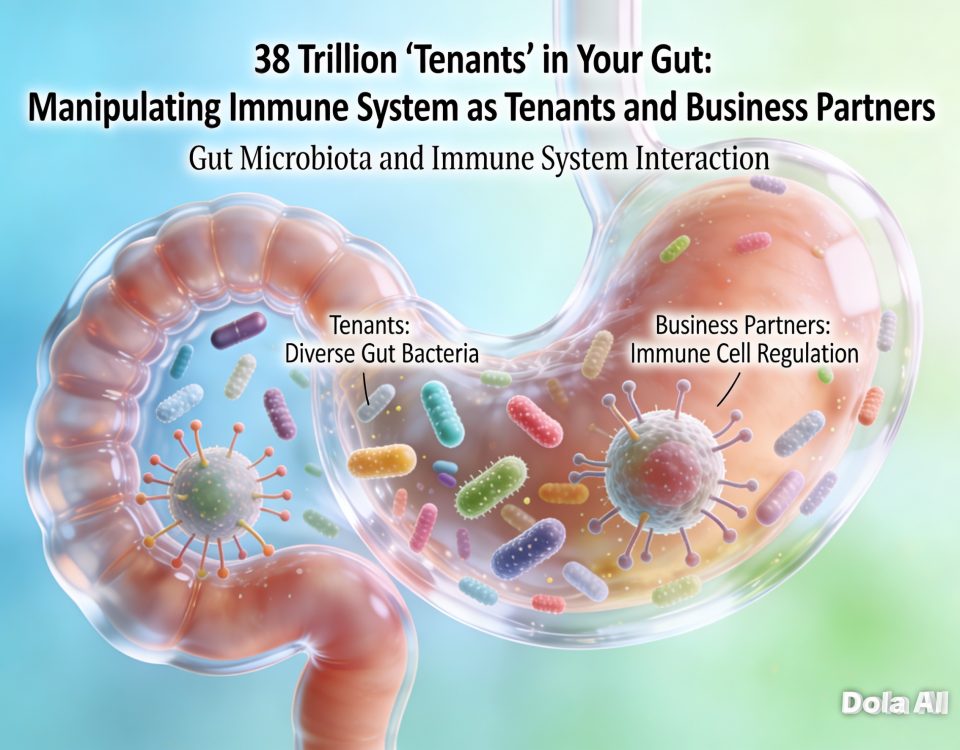
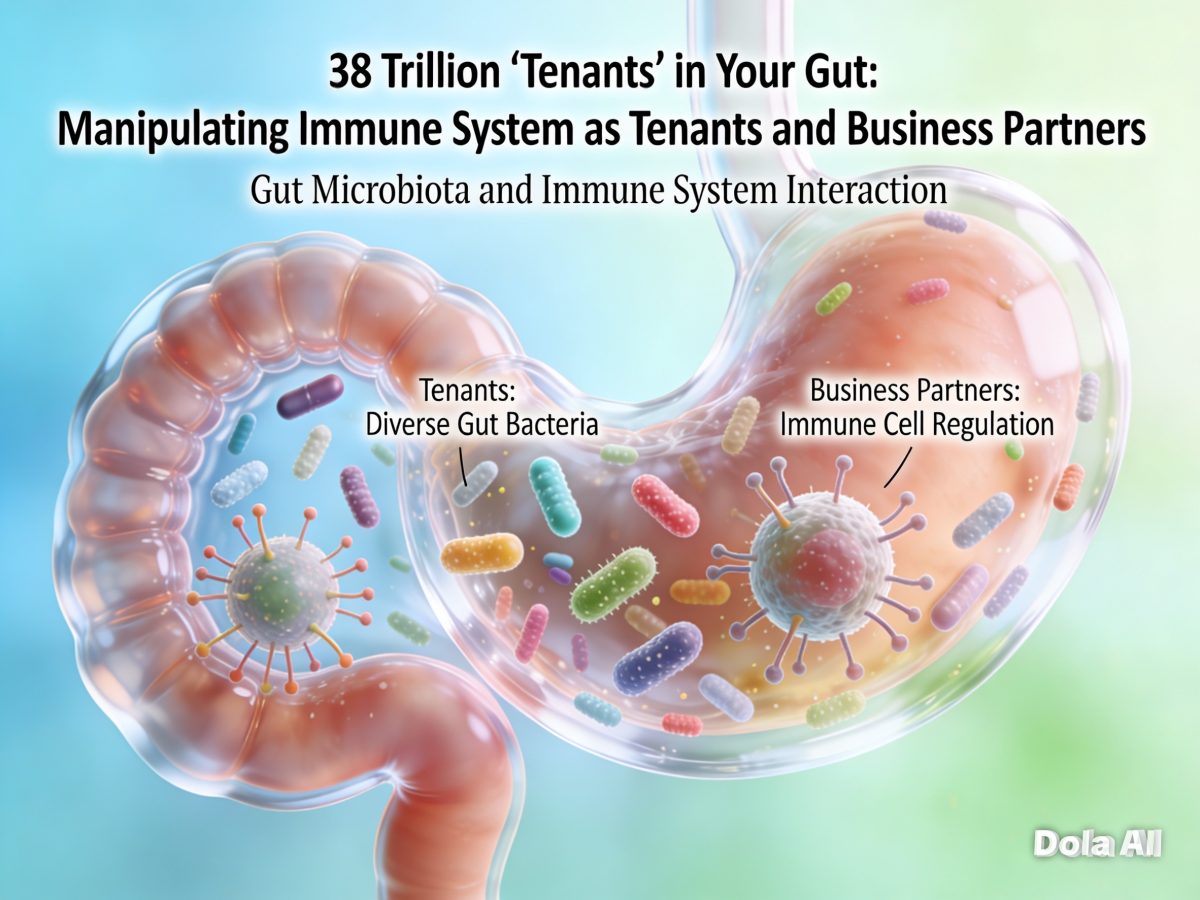
The 38 trillion “tenants” in your gut are manipulating your immune system—they are both tenants and business partners.
June 3, 2026Why does the same stress cause some people to thrive and become more resilient, while others become increasingly susceptible to illness?
Why does the same stress cause some people to thrive and become more resilient, while others become increasingly susceptible to illness?
—— The impact of stress on the immune system depends on three variables: intensity, perceived control, and your biological response pattern.
⏱ A One-Minute Read
"Stress makes you sick" and "moderate stress is beneficial for health"—both statements are widely circulated and have scientific backing, yet they point to entirely different physiological states.
Psychoneuroimmunology (PNI), a field formally named only in 1975, has spent nearly 50 years disentangling this seemingly contradictory phenomenon. The impact of stress on the immune system is not a unidirectional, linear relationship; rather, it is a bidirectional regulation dependent on the "nature" of the stress. Short-term, perceived "controllable" stress activates a precise immune-enhancing mechanism, while long-term, perceived "uncontrollable" chronic stress systematically impairs nearly every dimension of immune function.
Understanding this distinction—and which category your stress falls into—is key to moving "stress management" from vague lifestyle advice to a concrete strategy for immune maintenance.
Layer 3 | Core Theory: The "Bidirectional Regulation Model" of Stress-Immunity
| Stress Type | Duration | Sense of Control | Immune Effect |
|---|---|---|---|
| Acute Controllable Stress | Minutes to hours | High (perceived agency) | Adaptive immune activation: NK cell mobilization, transient increase in neutrophils, elevated IFN-y; brief inflammatory upregulation followed by rapid resolution |
| Acute Uncontrollable Stress | Minutes to hours | Low (perceived helplessness) | Transient innate immune activation, but slower inflammatory resolution; higher cortisol peaks, deeper immunosuppression |
| Chronic Manageable Stress | Weeks to months | Moderate (with resources) | Moderate immune regulatory shifts, but inflammatory markers largely maintained; good resilience |
| Chronic Manageable Stress | Months to years | Low (helplessness/no way out) | Persistent decline in NK cell activity; Th1 → Th2 shift; chronic elevation of inflammatory markers; weakened vaccine response |
| Core Concept: "Perceived control" is a better predictor of immune impact than objective stress intensity. For two caregivers of a critically ill family member (similar objective stress), the one with sufficient social support and rest opportunities will show significantly different NK cell activity, inflammatory markers, and vaccine efficacy compared to one bearing the burden entirely alone. "Perceived control" is the most critical regulating variable in the stress-immunity dynamic. |
Diagram: Historical Trajectory and Key Experimental Evidence
| Alzheimer's Caregiver Study: Compared to non-caregivers, caregivers show ~23% lower NK cell activity, ~50% lower response to flu vaccines, and 9-day slower wound healing—direct evidence of how low "perceived control" independently impacts immune function. |
| 8-Week MBSR (Mindfulness-Based Stress Reduction) Results: ~19% reduction in IL-6, ~22% increase in NK cell activity, and restoration of cortisol circadian rhythms—measurable biological endpoints of "stress management $\rightarrow$ immune improvement." |
| The "CTRA" Gene Profile of Loneliness: Upregulation of pro-inflammatory genes (IL-6, IL-8 pathways) + downregulation of antiviral (Type I interferon) genes—lonely individuals are at a disadvantage against both bacteria and viruses. |
| The Survival Advantage of Social Connection: A meta-analysis of 148 studies covering 300,000 people: Strong social connections are associated with a 29% increase in survival; the impact of isolation on mortality exceeds that of smoking. |
| The "Immune Exercise" Effect of Acute Controllable Stress: NK cells increase by 40% to 100% and IFN-$\gamma$ rises after 30 minutes of acute stress—the key is "adequate recovery after the stress ends," otherwise, acute activation transitions into chronic damage. |
Tier 4 | In-Depth Reading
I. The Birth of Psychoneuroimmunology: The Story of Sweet Water and Dying Mice
In 1975, Robert Ader, a psychiatrist at the University of Rochester, was investigating a puzzling result. He trained mice by pairing sweet water with cyclophosphamide (an immunosuppressant drug that also causes nausea). According to Pavlovian reflex, the mice should have developed a conditioned "nausea" response to the sweet water—this was the expected outcome.
What he didn't expect: Some mice began to die, and the mortality rate was significantly higher than the control group that only received the drug. What was the cause? When Ader gave the mice the sweet water alone (without any medication), the mice actually exhibited immunosuppression—based solely on a substance with no pharmacological activity, the immune system was suppressed, leading the mice to die from infections they should have been able to resist.
The implication of this discovery was revolutionary: The immune system is not an "autonomously closed" system; it can be regulated by the brain's conditioned learning. Ader named this new research field "Psychoneuroimmunology"—the term itself acts as a manifesto: psychology, neurology, and immunology are an inseparable, integrated system, not three independently operating modules.
2. Chronic Stress Switches Your Immune System from "Warrior Mode" to "Allergy Mode"
One of the most profound effects of chronic stress on the immune system is the "polar shift" from Th1 to Th2. Put more bluntly: your immune system has two work modes—Th1 dominates "Cellular Warrior Mode," specialized for dealing with viruses and bacteria; Th2 dominates "Antibody Producer Mode," leaning toward allergic and parasitic responses. Under normal circumstances, they remain in balance.
In a state of chronic high cortisol, cortisol selectively inhibits Th1-signature cytokines (IFN-$\gamma$ and IL-2) via glucocorticoid receptors (GR), while relatively preserving or even upregulating Th2 cytokines (IL-4 and IL-13). The result: the immune system gradually drifts from a "Cellular Warrior Advantage" to an "Antibody Producer Advantage."
Clinically, this means several things: decreased defense against viral infections (viral clearance primarily relies on Th1-mediated CTLs and NK cells); potential exacerbation of allergic asthma and eczema (Th2-related diseases); and a decrease in tumor surveillance efficiency (both NK cells and CTLs are Th1-type effectors, so Th1 inhibition directly weakens this defense line).
3. The 20 Years of Caring for the Elderly Left a Mark on Immune Metrics
The team of Janice Kiecolt-Glaser at Ohio State University is one of the most significant research teams in psychoneuroimmunology. Their long-term study subjects were "long-term caregivers of Alzheimer's patients"—a population that serves as a classic case of "chronic high-intensity, low-controllability" stress.
Caregivers feel unable to change the patient's condition, cannot predict when a crisis will occur, and cannot abandon their responsibilities. Compared to age-matched non-caregivers, the NK cell activity of long-term caregivers was approximately 23% lower, their influenza vaccine response was only about 50% of that of the non-caregivers, and the healing time for skin biopsy wounds was on average 9 days slower. These differences remained significant even after controlling for age, BMI, sleep duration, and alcohol consumption.
9 days. For a standardized skin wound, caregivers took 9 days longer to heal—this is the real cost of "low perceived control" on immune function, written precisely in numbers.
4. The Price of Loneliness: It’s Not Just a Mood Issue
Low immunogenicity tumors (low TMB): Cancers such as pancreatic cancer, prostate cancer, and low-grade gliomas have extremely low tumor mutational burden and produce very few neoantigens, leaving the immune system without enough targets to "see." Immune-privileged sites: Areas such as the brain, the anterior chamber of the eye, and the testes are inherently "dead zones for immunosurveillance"—structures like the blood-brain barrier make it difficult for systemic immune cells to enter. Cancers occurring in these regions (such as glioblastoma) can often grow quietly in an environment relatively free from immune interference.
Chronic inflammatory environments: This presents a paradox—inflammation typically activates the immune system, but long-term chronic inflammation (such as hepatitis B-related hepatitis, Helicobacter pylori-related gastritis, and inflammatory bowel disease) actually "exhausts" the efficiency of immunosurveillance while providing a microenvironment that promotes carcinogenesis. Immunosenescence: As we age, the number of NK cells declines and their function weakens, the diversity of CD8+ T cells decreases (the TCR repertoire of elderly individuals shrinks), and the proportion of Treg cells rises relatively. These characteristics of "immunosenescence" directly weaken the efficiency of tumor immunosurveillance and are one of the core immunological mechanisms underlying the increase in cancer incidence with age. After the age of 40, maintaining the overall health of the immune system is a vital foundation for sustaining tumor surveillance efficiency.
5. Why Acute Stress Is Not a Bad Thing: The Short-term Immune Activation of "Combat Mobilization"
In contrast to chronic stress, acute, short-term stress perceived as "controllable" usually triggers an adaptive immune mobilization response. When you are about to start an important presentation, the sympathetic nervous system activates, and adrenaline is secreted—this is the well-known "fight or flight" response. But few know that it simultaneously triggers a precise immune "combat mobilization": NK cells and CTLs are mobilized from lymph nodes and the spleen into the bloodstream, with numbers increasing by approximately 40% to 100% within 30 to 60 minutes; neutrophils are rapidly released from the bone marrow into the blood; and IFN-$\gamma$ rises briefly, enhancing innate immune killing capacity.
The key is the quality of "recovery": if, after the acute stress ends, cortisol returns to baseline within 2 to 3 hours (via vagus nerve activation, slowed breathing, and the perception that the "threat has passed"), the entire "emergency mobilization-recovery" cycle is actually a functional workout for the immune system. But if the "perceived threat" does not subside—if your brain believes you are still in danger—that system originally designed for "brief activation" becomes a source of sustained chronic damage. This difference lies not in the objective situation, but in your cognitive appraisal.
6. MBSR: 8 Weeks to Measurable Changes
Mindfulness-Based Stress Reduction (MBSR) is currently the non-pharmacological method with the most robust evidence in stress-related immune intervention. A study published in Brain, Behavior, and Immunity in 2018 had highly stressed college students take an 8-week MBSR course, then measured immune and neuroendocrine markers.
The results: Blood IL-6 levels in the MBSR group decreased by approximately 19%, NK cell activity increased by approximately 22%, and the circadian rhythm of cortisol (the amplitude difference between morning peaks and nighttime troughs) recovered to a pattern closer to healthy controls. This is not a subjective report of "feeling a bit better"—these are biological changes that can be measured in the blood over an 8-week period.
The mechanism of action for MBSR likely involves reducing the weakened "negative feedback" from the prefrontal cortex to the amygdala, lowering overreactions to threat signals, and subsequently reducing the excessive activation of the sympathetic nervous system and the HPA axis. Simply put: mindfulness training allows your brain to learn that "although this is making me nervous, it won't kill me"—this cognitive change produces real impacts at the hormone and cytokine levels.
7. Turning Stress Management into Concrete Action, Not Just Good Advice
Having understood the pathway of "chronic uncontrollable stress → immune impairment," the next question is: what can you do? This is not intended to provide a "wellness checklist," but rather to identify, from the perspective of immune mechanisms, specific interventions that are evidence-based, mechanistically sound, and worth prioritizing.
First, identify and change the cognitive framework of "helpless-type stress." Studies have repeatedly proven that for the same stress event, perceiving it as "I have no control over anything" versus "I can control my coping strategies and certain variables" can result in significant differences in cortisol levels and immune markers. The "de-catastrophizing" technique used in CBT (Cognitive Behavioral Therapy)—asking yourself: "What is the worst-case scenario? How likely is it to occur? If it happens, how can I cope?"—is not about pretending everything is fine. Instead, it enables your brain to make more accurate and evidence-based judgments regarding "threat assessment." This precise evaluation directly influences the activation amplitude of the amygdala and the reaction intensity of the HPA axis.
Second, invest in social connections. The CTRA gene expression profile of loneliness and the 23% decline in NK cell activity among caregivers teach us one thing: social support is not just a "nice-to-have" luxury, but a real condition for the normal functioning of the immune system. Engaging in face-to-face or voice conversations with trusted people several times a week is not merely about "feeling good"—it is about maintaining a health-protection system that operates through specific biological mechanisms.
Third, engage in 20 minutes of moderate-intensity aerobic exercise daily. This is a single intervention backed by substantial evidence that simultaneously improves HPA axis reactivity, sympathetic nervous system tone, and NK cell function. Among all options for stress management, exercise has the most robust evidence base, the fewest side effects, and the lowest threshold for execution.
Key Takeaways
-
The impact of stress on the immune system is bidirectional, depending on "type" rather than "intensity": Acute, controllable stress triggers adaptive immune mobilization (a 40% to 100% increase in NK cells), serving as "functional training" for the immune system; chronic, uncontrollable stress systematically impairs NK cells, suppresses Th1 immunity, elevates inflammatory markers, and reduces vaccine response by approximately 50%.
-
"Perceived control" is the most critical regulatory variable: Studies on Alzheimer’s caregivers confirm that those with low perceived control exhibit roughly 23% lower NK cell activity and a 9-day delay in wound healing—an immunological impact independent of objective stress intensity.
-
Chronic stress induces a Th1→Th2 immune polarity shift: Cortisol selectively inhibits IFN-$\gamma$ and IL-2 (Th1), while sparing IL-4 and IL-13 (Th2), leading to reduced defense against viruses, increased allergy risk, and weakened tumor surveillance efficiency.
-
The "CTRA" gene profile of loneliness (upregulation of pro-inflammatory genes + downregulation of antiviral genes) puts lonely individuals at a disadvantage against both bacteria and viruses; strong social connection is associated with a 29% increase in survival (based on a meta-analysis of 300,000 people).
-
An 8-week MBSR course can reduce IL-6 by approximately 19%, boost NK cell activity by roughly 22%, and restore cortisol rhythms—providing high-quality evidence that "stress management leads to immune improvement" with measurable biological endpoints.