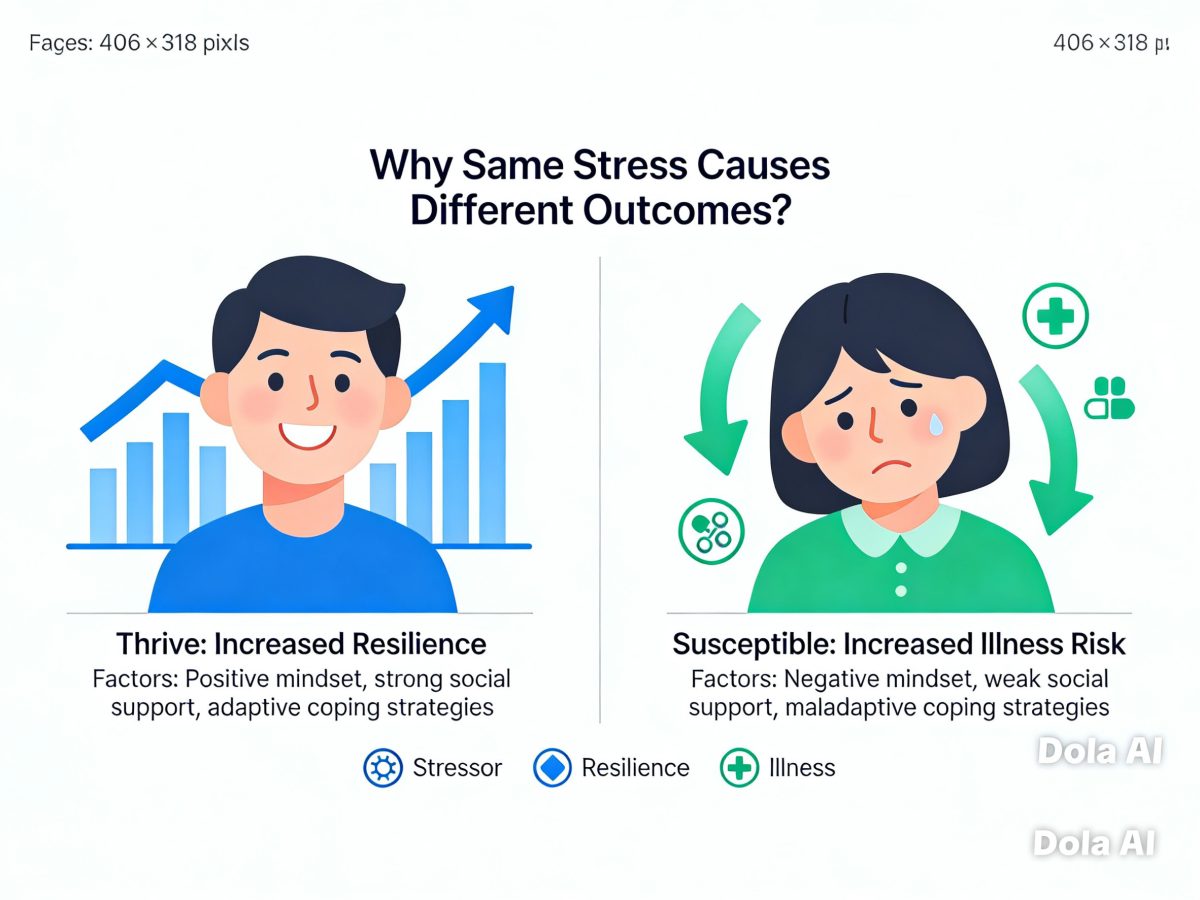

Why does the same stress cause some people to thrive and become more resilient, while others become increasingly susceptible to illness?
June 3, 2026
Your immune cells have an “aging archive”—and now, we can read it.
June 3, 2026The 38 trillion "tenants" in your gut are manipulating your immune system—they are both tenants and business partners.
The 38 trillion "tenants" in your gut are manipulating your immune system—they are both tenants and business partners.
—— From how the microbiome "educates" the newborn immune system to why dysbiosis leads to allergies and autoimmunity in adulthood.
⏱ A One-Minute Read
The total number of symbiotic microbes in the human body is approximately 38 trillion—roughly equivalent to the number of human cells, yet their gene count is about 150 times that of the human genome. This vast microbial community, residing primarily in the gut, constitutes the "Gut Microbiome."
Twenty years ago, medical textbooks described the gut microbiome as "digestive assistants" that helped break down dietary fiber. Today, it is recognized as one of the most important "immune regulatory organs" in the human body. The gut houses approximately 70% of the body's immune cells, and throughout a person's life, the microbiome continuously "educates," "calibrates," and "drives" this massive system.
Animals without a microbiome (germ-free mice) exhibit severely underdeveloped immune systems—lymph nodes are malformed, intestinal IgA is virtually absent, and the proportion of Treg cells is abnormally low, leaving them extremely susceptible to infection. This proves one thing: the human immune system developed into the precise mechanism it is today through a continuous "dialogue" with commensal microbes. The microbiome is not just a "passerby that helps with digestion," but an indispensable "co-architect" of the immune system.
Layer 3 | Core Theory: The "Three-Layer Dialogue" Model of Gut Microbiome-Immune Interaction
| Dialogue Level | Location | Key Mechanisms | Immune Consequences |
|---|---|---|---|
| First Layer: Educational Dialogue (Early Life) | Gut lamina propria, Peyer's patches | Colonization stimulates IgA production, Treg differentiation, and gut barrier maturation; establishes "immune tolerance" to commensals. | Normal: System learns to distinguish "commensals (tolerate)" vs "pathogens (attack)." Deficit: Increased risk of allergy/autoimmunity. |
| Second Layer: Metabolic Dialogue (Lifelong) | Gut epithelial cells, Immune cells | Microbial fermentation of dietary fiber produces Short-Chain Fatty Acids (SCFAs: butyrate, propionate, acetate); regulates Treg/Th17 balance; maintains barrier. | Normal: Balanced Treg/Th17, controlled inflammation, intact barrier. Dysbiosis: Th17 overactivation, inflammation, "leaky gut," IBD risk. |
| Third Layer: Remote Signal Dialogue (Gut-Brain/Gut-Lung Axes) | Bloodstream, Vagus nerve, Immune cell migration | SCFAs, bile acid derivatives, and neurotransmitter precursors influence systemic immunity and neurological function. | Gut-Lung Axis: Microbiome affects pulmonary immunity (explaining the link to asthma). Gut-Brain Axis: Microbiome affects immune regulation linked to depression/anxiety. |
| The "Bi-directional Cycle" of Microbiome-Immune Interaction: Microbiome dysbiosis → Immune activation → Increased inflammation → Further alteration of microbiome composition → Deeper immune dysregulation. This creates a positive feedback loop of deterioration. This explains why interventions for chronic immune diseases (IBD, asthma, autoimmune diseases) require a multi-faceted approach (diet + prebiotics + fermented foods) to break the cycle. |
Diagram: Key Pathways and Clinical Evidence
| The "1000-Day Window" (Birth to age 3): The quality of early microbiome establishment determines the foundation of immune tolerance. Children with low microbiome diversity in infancy have a ~2.7x higher risk of food allergies by age 3 (CHILD study, 7-year follow-up of 3,500 children). |
| The Three Functions of Butyrate: Maintains gut barrier (tight junction proteins) → Inhibits HDAC → Induces Tregs → Inhibits NF-κB inflammatory activation. A reduction in the butyrate-producer F. prausnitzii is a common feature of IBD and metabolic syndrome. |
| The "Farm Effect": Asthma rates in farm-dwelling children are only 1/3 to 1/4 that of urban children. Exposure to farm animals and fermented foods leads to higher microbiome diversity and a rich reservoir of "Old Friends" microbes, providing stronger protection against allergies. |
| The Cost of Antibiotics: A single course of broad-spectrum antibiotics reduces microbiome diversity by 30%-50%; Bifidobacterium and Lactobacillus populations can drop by ~90%. Butyrate-producing bacteria may take over a year to recover. |
| The Most Cost-Effective Microbiome Strategy: A diverse, high-fiber diet (30g+/day, various sources) + fermented foods (3 to 6 servings/day) — evidence is more robust and lasting than purchasing probiotic supplements (proven by a 2021 study in Cell). |
Tier 4 | In-Depth Reading
I. The First 1000 Days: Setting the Immune Landscape
The gut microbiome has a critical time window for "educating" the immune system: from birth to approximately 3 years of age (the first 1,000 days). During this period, the quality of the establishment of the gut microbiome profoundly influences the "calibration" of the immune system, and its effects can persist for decades.
The "First Lesson" of the microbiome via birth mode: Newborns delivered vaginally are inoculated with maternal vaginal microbes (primarily Lactobacillus-dominant) during their passage through the birth canal, which quickly establishes a relatively stable early microbial colonization. Newborns delivered via C-section are first exposed to skin and hospital environmental microbes (primarily Staphylococcus, etc.), lacking the Lactobacillus-dominant early colonization. Numerous cohort studies have found that the risk of allergic asthma in children born via C-section is approximately 20% to 30% higher than in those born vaginally, and the risk of type 1 diabetes is 20% higher. While the necessity of C-sections themselves should not be questioned (they have saved countless lives), these data reveal the true impact of microbial establishment on immune calibration.
Breastfeeding: The "pre-installed software" of immune education. Breast milk contains over 200 unique human milk oligosaccharides (HMOs)—which the human body cannot digest themselves; their function is to selectively feed Bifidobacterium in the gut, promoting the establishment of an early microbiome dominated by Bifidobacterium. Bifidobacterium infantis is one of the most important bacteria for calibrating gut immune tolerance in early life: it promotes the expansion of early Treg cells by activating TLR9 signaling, and its breakdown of HMO products directly induces dendritic cells (DCs) in the intestinal lamina propria to differentiate toward "tolerogenic DCs." Together, these mechanisms help the newborn's immune system learn the core program of "maintaining tolerance to commensal bacteria and food proteins."
2. Short-Chain Fatty Acids (SCFAs): The Core Language of the Microbiome-Immune "Dialogue"
Commensal gut bacteria ferment dietary fiber—which the human body cannot digest—to produce short-chain fatty acids (SCFAs), primarily butyrate, propionate, and acetate. These three molecules are the most significant "microbiome-immune" signaling mediators discovered to date.
The core immune functions of butyrate: Butyrate is the primary energy source for colon epithelial cells (accounting for 70% to 80% of their energy expenditure). It directly maintains gut barrier function (promoting the expression of tight junction proteins to prevent "leaky gut"); induces the differentiation of T cells into Tregs by inhibiting histone deacetylase (HDAC); and reduces local inflammatory signals by inhibiting NF-κB activation in colon epithelial cells.
The "Key Guardian" of butyrate production: Faecalibacterium prausnitzii is one of the most abundant butyrate-producing bacteria in the human gut and is currently the most extensively studied "anti-inflammatory commensal." In the gut of patients with IBD, metabolic syndrome, type 2 diabetes, and various autoimmune diseases, the proportion of F. prausnitzii is significantly reduced. This is not merely a "concomitant" finding but partially a "driver" of the inflammatory state in these diseases, as F. prausnitzii continuously inhibits intestinal NF-κB activation and maintains an anti-inflammatory gut environment through the production of butyrate.
How to promote SCFA production: Increase diverse plant-based dietary fiber (target: more than 30g per day, sourced from various types of vegetables, legumes, whole grains, and fruits). Resistant starch (found in cooled rice and potatoes, green bananas, and oats) is a particularly effective food source for butyrate-producing bacteria.
3. The Modern Upgrade of the "Hygiene Hypothesis": What We Are Missing Are Our "Old Friends"
In 1989, British epidemiologist David Strachan proposed the "Hygiene Hypothesis": modern society is overly clean, reducing children's early exposure to microbes, which causes the immune system to become hyperactive due to "lack of practice," leading it to attack harmless substances like pollen and food proteins (allergies).
In 2003, Graham Rook upgraded this to the "Old Friends Hypothesis": the problem is not a "lack of all microbes," but rather the "absence of specific commensal flora that have co-evolved with humans for millions of years." These "Old Friends" are the long-term sources of stimulation upon which the immune system relies for "calibration" and "maintaining tolerance." With the rise of industrialization, urbanization, and modern hygiene systems, these "Old Friends" are disappearing from the human gut much faster than we realize.
The "Farm Effect" is the most compelling natural experimental evidence for this hypothesis: children raised on traditional farms (with regular exposure to farm animals, raw milk, fermented foods, and soil) have an incidence rate of allergic asthma that is only about 1/3 to 1/4 that of their urban peers. They also exhibit significantly higher gut microbiome diversity and a richer abundance of "Old Friends" species. This "Farm Effect" has been repeatedly confirmed in multiple independent cohorts across Europe and the United States. You don't have to move to a farm—but understanding this effect can help you realize that spending time in nature, reducing unnecessary use of antibacterial products, and maintaining a diverse diet are not just "lifestyle choices," but are concrete actions that help maintain your microbiome diversity.
4. Antibiotics: The Most Important Medical Invention, Yet the Greatest Threat to the Microbiome
Antibiotics are among the greatest medical inventions of the 20th century, having saved hundreds of millions of lives. However, their impact on the gut microbiome is an increasingly serious "collateral damage" problem in medicine. A single course of broad-spectrum antibiotics can reduce gut microbiome diversity by approximately 30% to 50% within 5 to 10 days, and the abundance of certain key species (such as Bifidobacterium and Lactobacillus) can drop by over 90%. Butyrate-producing bacteria (such as F. prausnitzii) may take months or even over a year to recover, and in some cases, their depletion may be permanent.
Early childhood antibiotic use and immune-related risks: A large-scale study in Finland covering 1 million children found that the number of antibiotic exposures within the first two years of life is positively correlated with the subsequent risk of developing allergic asthma (risk increased by approximately 20%–40% per exposure), food allergies (increased by approximately 15%–25% per exposure), and IBD (increased by approximately 10%–20% per exposure). These data do not mean that antibiotics should be refused—appropriate antibiotic treatment for bacterial infections remains medically necessary, and the hazards of infectious complications resulting from refusing antibiotics far outweigh the short-term disruption to the microbiome. However, this suggests that antibiotics should be used "precisely" (only used for bacterial infections, not for viral infections such as the common cold), choosing "narrow-spectrum" over "broad-spectrum" whenever possible, and actively supporting microbiome recovery through a diverse, high-fiber diet and fermented foods after an antibiotic course.
5. Why Acute Stress Is Not a Bad Thing: The Short-term Immune Activation of "Combat Mobilization"
The probiotic market is already a multi-billion-dollar global industry, yet most consumers remain unclear about which probiotics have evidence for specific conditions. To clarify, there is sufficient randomized controlled trial (RCT) evidence for several key scenarios: Lactobacillus rhamnosus GG (LGG) and Saccharomyces boulardii can reduce the risk of antibiotic-associated diarrhea (AAD) by 40% to 60% when taken concurrently with antibiotics; Lactobacillus reuteri (DSM 17938) can reduce colic-related crying time by approximately 50% in breastfed infants; LGG and S. boulardii can shorten the duration of acute infectious diarrhea in adults by about 24 hours; and specific multi-strain combinations can reduce the risk of necrotizing enterocolitis (NEC) by 50% to 60% in very-low-birth-weight preterm infants.
Regarding general immune enhancement, there is currently no high-quality evidence to support the claim that any specific probiotic strain can reliably or reproducibly improve overall immune function in healthy adults. While these supplements can be highly effective for the specific medical indications mentioned above, they should not be viewed as a universal tonic for general health or immunity.
Investing in a diverse, high-fiber diet combined with regular consumption of fermented foods is a much more cost-effective and sustainable strategy for maintaining long-term microbiome health. This approach provides the broad spectrum of nutrients and microbial support that the gut ecosystem requires to thrive, and it is backed by more direct and compelling clinical evidence than the routine use of probiotic supplements for general wellness.
6. What you can do: start changing your gut microbiota diversity today
The composition of your gut microbiota can change significantly in a relatively short period of time — research shows that after altering your diet, changes in microbial composition can begin within 24 to 48 hours, and statistically significant changes can be detected after 1 to 2 weeks. This is good news (your choices today will quickly be reflected in your microbiota), but it also requires consistency — once you stop the intervention, the microbiota tends to revert toward its original composition.
The most direct and feasible strategy: eat 30 different plant-based foods every day (including vegetables, fruits, legumes, nuts, seeds, and whole grains) — you don’t need large amounts of each; diversity matters more than quantity; include 1 to 2 fermented foods daily (unsweetened yogurt, kimchi, fermented tofu, miso soup); if you need to take antibiotics, actively support microbiota recovery afterward with a high-fiber diet and fermented foods; reduce ultra-processed foods, especially those containing emulsifiers and artificial additives. These are not “extreme dietary changes,” but incremental improvements that can be concretely implemented in your daily food choices.
Key Takeaways
-
The gut microbiota regulates immunity through a "three-layer dialogue": an early educational dialogue (establishment of Tregs and tolerogenic dendritic cells), a sustained metabolic dialogue (SCFAs maintaining the Treg/Th17 balance and gut barrier), and a remote signaling dialogue (the gut-lung axis and gut-brain axis). Seventy percent of the body's immune cells are located in the gut, making the microbiota an indispensable "co-architect" of the immune system.
-
The "1000-day window" (from birth to age 3) is a critical period for microbiota establishment and immune calibration: children with low early-life microbiota diversity have approximately 2.7 times the risk of food allergies at age 3 compared to those with high diversity. The microbial advantages associated with vaginal delivery and breastfeeding lay the foundation for immune tolerance through the pathway: HMO → Bifidobacteria → inducible Tregs.
-
Butyrate is the most central molecule in the microbiota-immune dialogue: it maintains the gut barrier (tight junction proteins), induces Tregs (via HDAC inhibition), and suppresses NF-κB-driven inflammatory activation — all three functions in one. A reduction in butyrate-producing F. prausnitzii is a common microbial feature of IBD, metabolic syndrome, and many autoimmune diseases.
-
The "old friends hypothesis": modern people are not missing "all microorganisms," but rather specific commensal bacteria that co-evolved with humans. The "farm effect" (asthma rates in farm children are only one-third to one-quarter those of urban children) is the most powerful natural experiment supporting this hypothesis.
-
Probiotic supplementation should follow the principle of "specific evidence guides specific use": there is solid RCT evidence for the prevention of AAD, infantile colic, shortening of acute diarrhea, and prevention of NEC in preterm infants. High-quality evidence for "general immune enhancement" in healthy adults is lacking. The more cost-effective microbiota strategy: a diverse, high-fiber diet (30g+ per day from multiple sources) + fermented foods (3 to 6 servings per day).