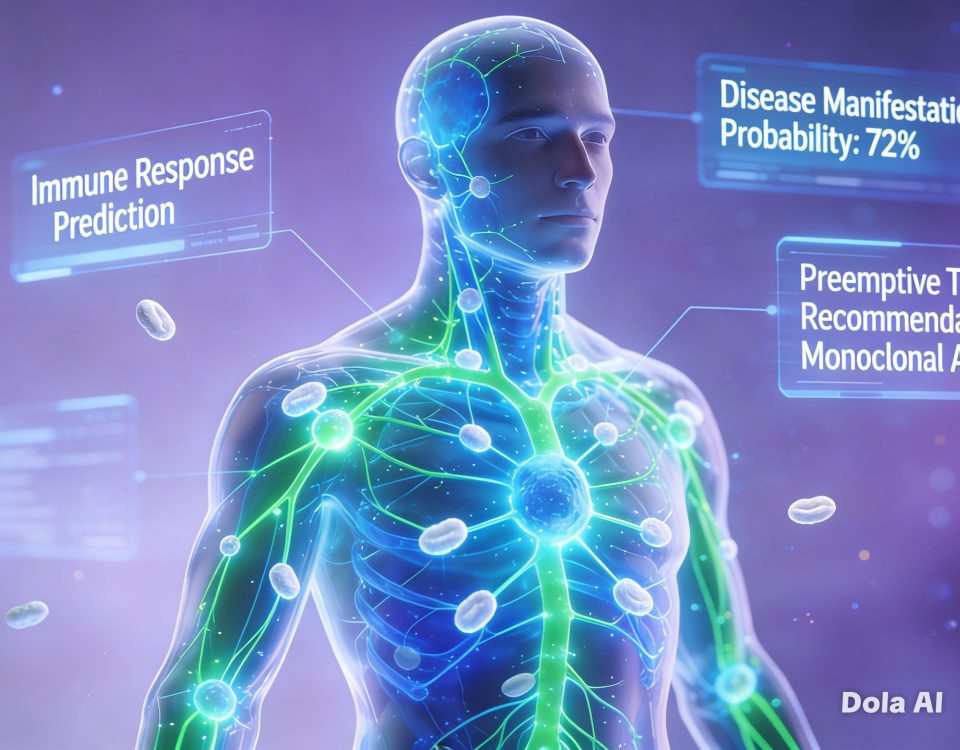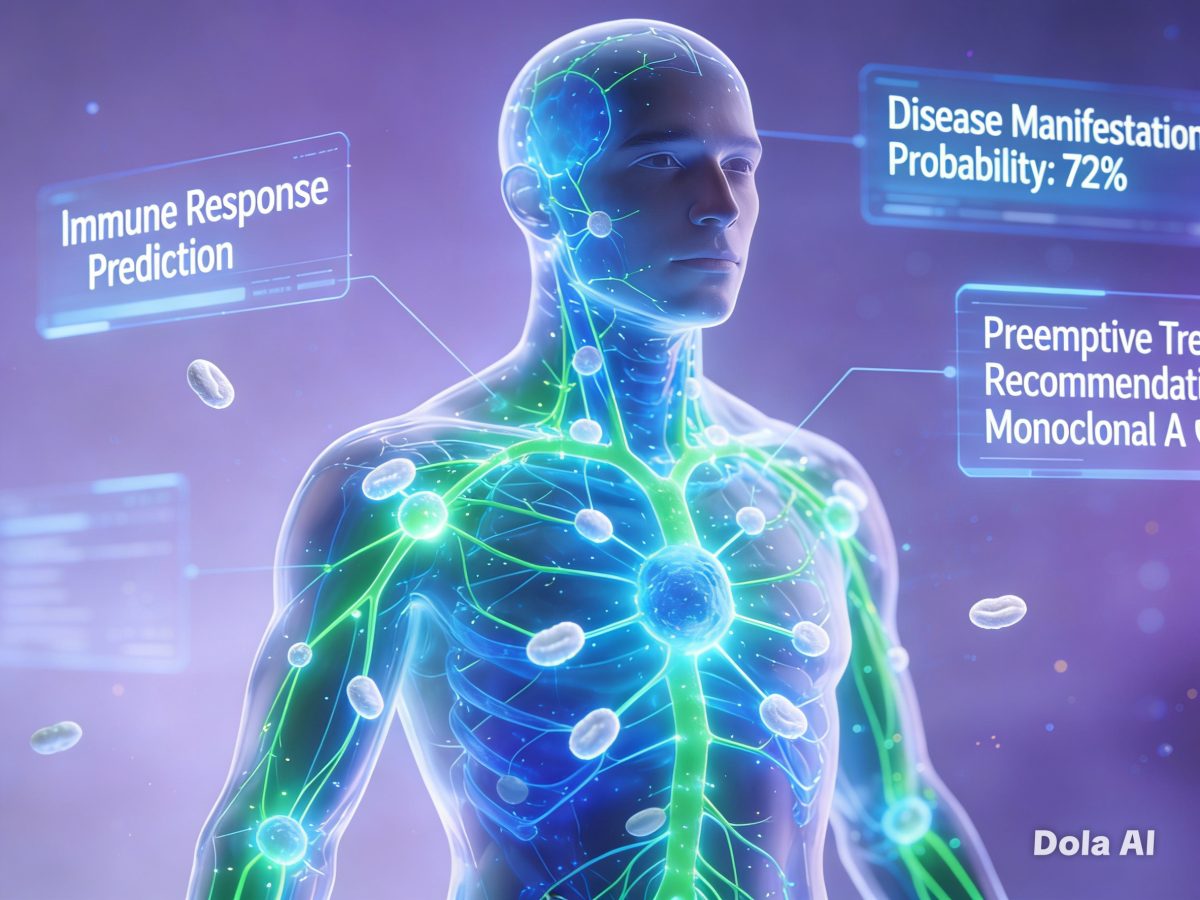

If we could predict exactly how your immune system will respond before a disease manifests?
June 3, 2026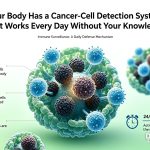
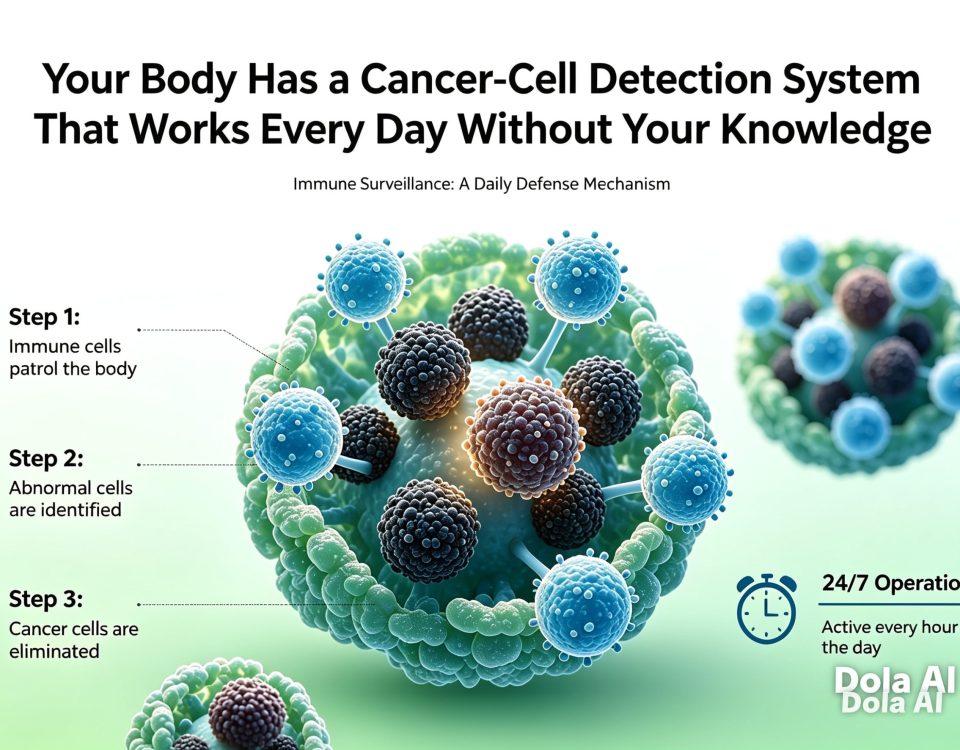
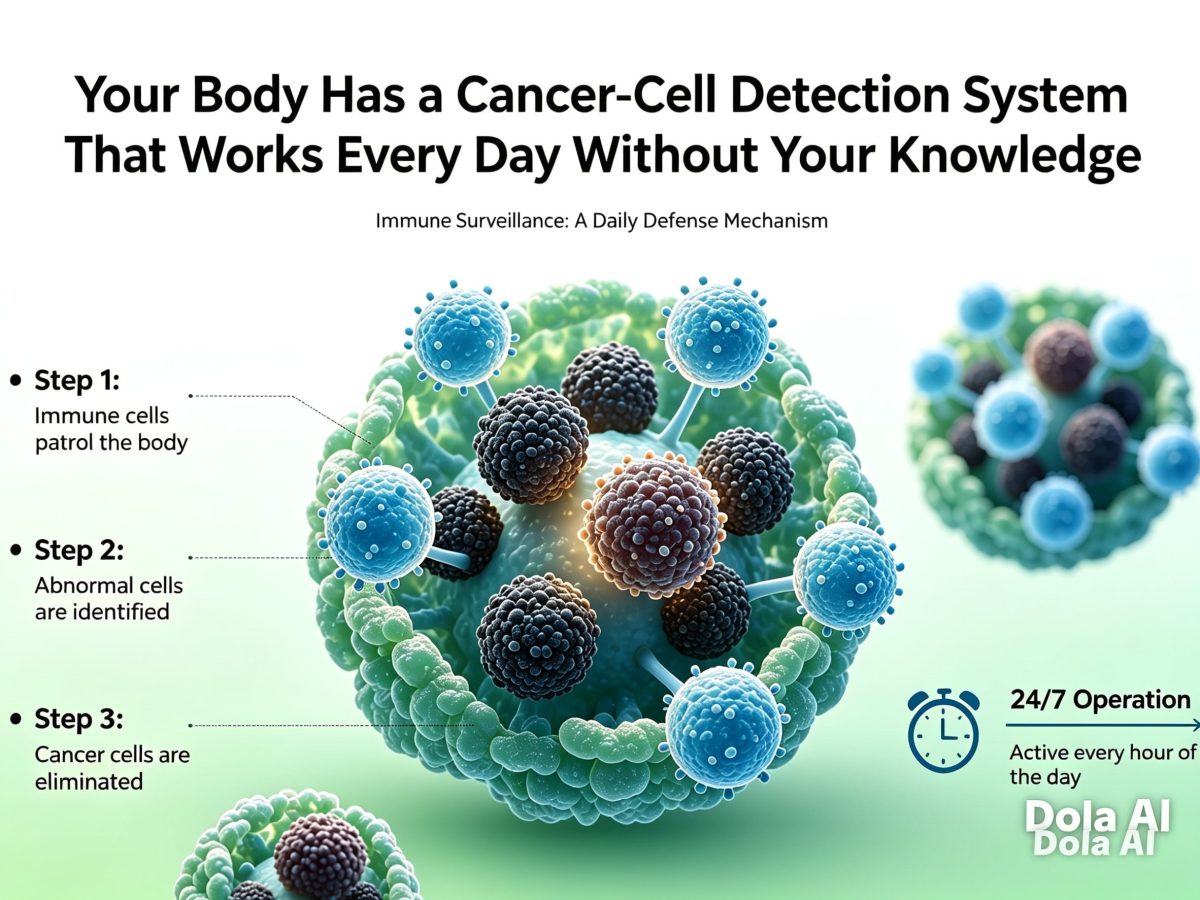
Your Body Has a Cancer-Cell Detection System That Works Every Day Without Your Knowledge
June 16, 2026Cancer: More Than Just a Story of Unchecked Cells—It Is a Long, Slow Breakdown of the Immune System
Cancer: More Than Just a Story of Unchecked Cells—It Is a Long, Slow Breakdown of the Immune System
—— Tumor Immunology: A Scientific Field That Has Rewritten the Rules of Cancer Treatment.
Tier 4 | In-Depth Reading
I. A Paradigm Shift That Upended a Century of Conventional Wisdom
For most of the 20th century, oncologists viewed cancer primarily as a problem of autonomous cellular chaos: gene mutations leading to uncontrolled proliferation and subsequent tumor formation. The treatment philosophy was centered on finding ways to eliminate these out-of-control cells—via surgical resection, radiation bombardment, or cytotoxic chemotherapy. Within this framework, the immune system was largely absent.
This perception has been completely rewritten over the past three decades. Growing evidence suggests that tumor formation and development are not solely the business of cancer cells; they are profoundly influenced by the state of the immune system. The immune system is not a mere bystander but an active participant: sometimes fighting, sometimes subverted by cancer, and at other times even manipulated to facilitate tumor growth. The most direct evidence comes from organ transplant recipients: these patients must take long-term immunosuppressants to prevent rejection, the trade-off being a cancer incidence rate several times higher than that of the general population. When the immune system is artificially suppressed, the speed at which cancer takes advantage of the situation is far beyond what was previously imagined.
2. The Origins of Tumor Immunology: A Century-Old Debate
The history of tumor immunology is much longer and more circuitous than most realize. In the 1890s, New York surgeon William Coley observed a curious phenomenon: some cancer patients experienced severe bacterial infections after surgery, and upon recovery from the infection, their tumors sometimes shrank or even disappeared. Coley hypothesized that the infection activated some form of anti-tumor immune response. He began treating patients with a mixture of killed bacteria (later known as "Coley’s toxins"), achieving some remarkable results.
However, the mainstream medical community remained deeply skeptical—no one could explain the mechanism, and the efficacy was inconsistent. With the rise of radiotherapy and chemotherapy, Coley’s work was gradually marginalized, even dismissed as "quackery." It wasn't until the latter half of the 20th century, as immunological tools advanced, that scientists could finally perceive at the molecular and cellular levels what was truly transpiring between the immune system and tumors. Today, Coley is retrospectively recognized as a pioneer of cancer immunotherapy. His core intuition—that activating the immune system could combat tumors—was proven correct a century later, even though he had no knowledge of the underlying mechanisms at the time.
3. 2011: The Turning Point for Clinical Tumor Immunology
If one were to choose a year to mark the transition of tumor immunology from the laboratory to the clinic, most experts would select 2011. In that year, the U.S. FDA approved the first immune checkpoint inhibitor: Ipilimumab (an anti-CTLA-4 monoclonal antibody) for the treatment of metastatic melanoma. Melanoma is one of the most difficult skin cancers to treat, with a median survival of less than one year after metastasis. Clinical trials of Ipilimumab showed significantly extended survival for some patients, and more importantly, a subset of patients achieved durable complete remission—a feat previously considered nearly impossible for metastatic melanoma.
This result validated a long-questioned hypothesis: by intervening in the immune system rather than attacking tumor cells directly, one could achieve real, durable anti-tumor effects. In subsequent years, more checkpoint inhibitors (PD-1 and PD-L1 inhibitors) were approved, with indications rapidly expanding from melanoma to dozens of cancer types, including lung, liver, bladder, gastric, and esophageal cancers. In 2018, James P. Allison and Tasuku Honjo were awarded the Nobel Prize in Physiology or Medicine for their discovery of the role of CTLA-4 and PD-1 in immune regulation—the highest academic recognition for the entire field of tumor immunology.
4. Key Players in Tumor Immunology
To understand tumor immunology, one must recognize several core characters that will appear repeatedly in subsequent articles. On the immune side: NK cells (Natural Killer cells)—the core anti-tumor weapon of innate immunity, which can directly identify and kill malignant cells without prior "training," representing the earliest responding anti-tumor force of the immune system; Cytotoxic T cells (CD8+ T cells)—the precision assassins of adaptive immunity, which require "instruction" from antigen-presenting cells, but once activated, can efficiently and specifically clear specific tumor cells; Dendritic cells—the key hubs that present tumor antigens to T cells, bridging innate and adaptive immunity; Macrophages—which can act as enemies of the tumor (M1 type) or be subverted by the tumor into accomplices (M2 type), depending on their environment.
On the tumor side: The tumor cells themselves—which generate tumor antigens via gene mutations and actively evade immune recognition through various mechanisms; The Tumor Microenvironment (TME)—the complex ecosystem surrounding the tumor, which the tumor actively shapes into a "no-go zone" that is inhospitable to immune cell activity. Understanding these roles is the foundation for grasping all subsequent mechanisms.
5. Why Is Tumor Immunology the Hottest Field in Cancer Research?
Over the past decade, the share of global cancer research funding dedicated to tumor immunology has grown from the periphery to the core. This is not only because of its positive clinical outcomes but also because it represents a fundamentally different therapeutic logic. The problem with traditional chemotherapy is not just its side effects; more fundamentally, it kills cells that are rapidly dividing, failing to distinguish between cancer cells and normal, rapidly dividing cells (such as bone marrow hematopoietic cells and intestinal epithelial cells). Moreover, cancer cells evolve drug resistance, and chemotherapy ultimately faces a moving target.
The logic of immunotherapy is different: it activates the immune system's own precise recognition capabilities. Theoretically, it can identify and clear cancer cells throughout the body, including metastatic lesions, with far less damage to normal cells than chemotherapy. More importantly, the formation of immune memory means that treatment may produce durable effects—something chemotherapy cannot achieve. Of course, immunotherapy has its limitations: not all cancer types or patients respond; immune-related side effects can be severe; and costs remain high. But the direction is correct, and the progress is real.
6. The Next Decade of Tumor Immunology
The success of immune checkpoint inhibitors is only the first chapter of the tumor immunology story. Several of the most active research directions represent the next decade of the field: Personalized cancer vaccines—customizing immune weapons for individual patients by sequencing their tumors to identify unique neoantigens generated by specific mutations; the maturation of mRNA technology makes this direction realistic and feasible. CAR-T and CAR-NK cell therapies—engineering a patient's immune cells ex vivo to endow them with stronger tumor recognition and killing capabilities. Tumor microenvironment remodeling—not just activating the immune system, but simultaneously modifying the "immune no-go zones" around tumors to allow immune cells to enter, survive, and strike. Combination treatment strategies—combining immunotherapy agents with different mechanisms to block the multiple escape routes used by tumors.
In the following articles, we will peel back the details of this war layer by layer—how the immune system discovers cancer cells (Article 67), how cancer cells escape (Article 68), what the tumor microenvironment is (Article 69), and what tumor antigens are (Article 70). This article is the map; what follows is the path.
7. The Most Important Implications of Tumor Immunology for the General Public
Tumor immunology is not just a topic for elite laboratories and oncologists. Its core insights have direct, practical significance for every individual who cares about their health. The first implication: The surveillance function of the immune system is your most important yet understated line of defense against cancer. Maintaining the health of this line of defense is the most practical form of cancer prevention you can take today. Adequate sleep, regular exercise, not smoking, and maintaining a healthy weight are not just generic advice for a "healthy lifestyle," but are tumor prevention strategies supported by clear immunological mechanisms. Sleep deprivation causes NK cell activity to drop by 70% overnight; long-term lack of exercise lowers the efficiency of immune surveillance; and smoking is not just a direct carcinogen, but a "master switch" that systematically weakens the function of immune surveillance.
The second implication: Understanding tumor immunology helps you face cancer diagnoses and treatment choices more rationally. When a doctor says, "Your tumor has high PD-L1 expression; I suggest combination immunotherapy," you will know what that means. When you see news about "mRNA cancer vaccine clinical trials," you can understand the scientific logic behind it. This understanding is not just knowledge, but a foundation for remaining proactive when facing difficult medical decisions.
The third implication: The pace of progress in the field of tumor immunology is rare in the history of human science. It has taken less than 15 years from the approval of the first checkpoint inhibitor in 2011 to having over 20 immunotherapeutic drugs covering dozens of cancer types today. For patients today, maintaining standard treatment and overall health is a way to preserve opportunities for better treatment options that may emerge in the coming years. This is not hollow consolation, but a reasonable expectation based on the real speed of scientific advancement.
Key Takeaways
-
Tumor immunology reveals the second truth about cancer: cancer is not merely cellular loss of control, but the result of a long-term battle between the immune system and the tumor.
-
William Coley used infections to activate the immune system to treat tumors in the 1890s, a century ahead of the scientific explanation for immunotherapy—his intuition was correct, but it took a hundred years to understand the mechanism.
-
The approval of Ipilimumab in 2011 was a turning point: it proved for the first time that mobilizing the immune system (rather than directly killing tumor cells) could achieve durable anti-cancer effects.
-
Key players: NK cells (innate), CD8+ T cells (adaptive), dendritic cells (intelligence), and macrophages (dual-faced)—each plays a critical role in the cancer battle.
-
The logical advantages of immunotherapy—precise recognition, systemic coverage, and immune memory—are unattainable by chemotherapy and radiotherapy. Its limitations lie in the fact that not everyone responds, and it carries immune-related toxic side effects.
-
Directions for the next decade: personalized vaccines, CAR-T/CAR-NK, TME (tumor microenvironment) remodeling, and combination therapeutic strategies—each is built upon a profound understanding of immune evasion and the tumor microenvironment.