
A Weak Constitution Isn’t Fate—It Just Means You’re Getting These 4 Things Wrong
May 26, 2026
Your body produces potential cancer cells every day; how does the immune system track them down?
June 1, 2026What’s Different About People Who Never Seem to Get Sick?
What’s Different About People Who Never Seem to Get Sick?
—— The answer is both enviable and reassuring.
⏱ A One-Minute Read
You definitely know someone like this: they smoke, drink, and never exercise, yet when the whole family goes down with a cold, they are completely fine. When you ask for their secret, they just say, "I guess I just have a good constitution," leaving you completely baffled.
What exactly is a "good constitution"? Can it be learned?
The answer is: for the most part, yes. Behind this "invincibility" is the overlay of four things: genetic foundation (around 25%), a rich immune memory (the more enemies it has seen, the stronger it gets), a low baseline of chronic inflammation, and just the right lifestyle habits. Out of these four things, at least three can be cultivated post-natally.
The Core Framework: The Four Factors of High Immune Resilience
| Core Dimension | Explanation |
|---|---|
| Genetic Foundation | High HLA diversity, strong innate immune genes—innate and unchangeable, but only accounts for 1/4. |
| Immune Memory Pool | Rich infection history or adequate vaccinations—the more enemies seen, the stronger it becomes in the future. |
| Low Inflammation Baseline | Low chronic inflammation levels (hs-CRP < 1 mg/L)—the immune system stands by precisely, rather than suffering chronic depletion. |
| Supportive Lifestyle | Sleep, exercise, and dietary habits that support immunity—allowing the first three factors to achieve maximum efficacy. |
Diagram: Core Mechanism
(Innate) (Accumulable) (Improvable) (Choosable)
Tier 4 | In-Depth Reading
I. Why is that person who never gets sick so powerful?
You probably really do have someone like this around you: they almost never catch a cold, or if they do, they recover in two days without making a fuss, never letting illness affect their work or life. If you ask for their secret, they might say, "I just have a good constitution," or "I've been like this since I was a kid."
And you are left completely bewildered, because this answer explains everything, yet explains nothing at all.
Immunity researchers were curious about this too. They spent years studying the differences between individuals with high immune resilience (those rare individuals who seldom get infected and recover quickly) and those with average immune function. Ultimately, they discovered that this state of "never getting sick" is not just good luck or good genes. It is a set of immune characteristics that can be identified, and partially learned.
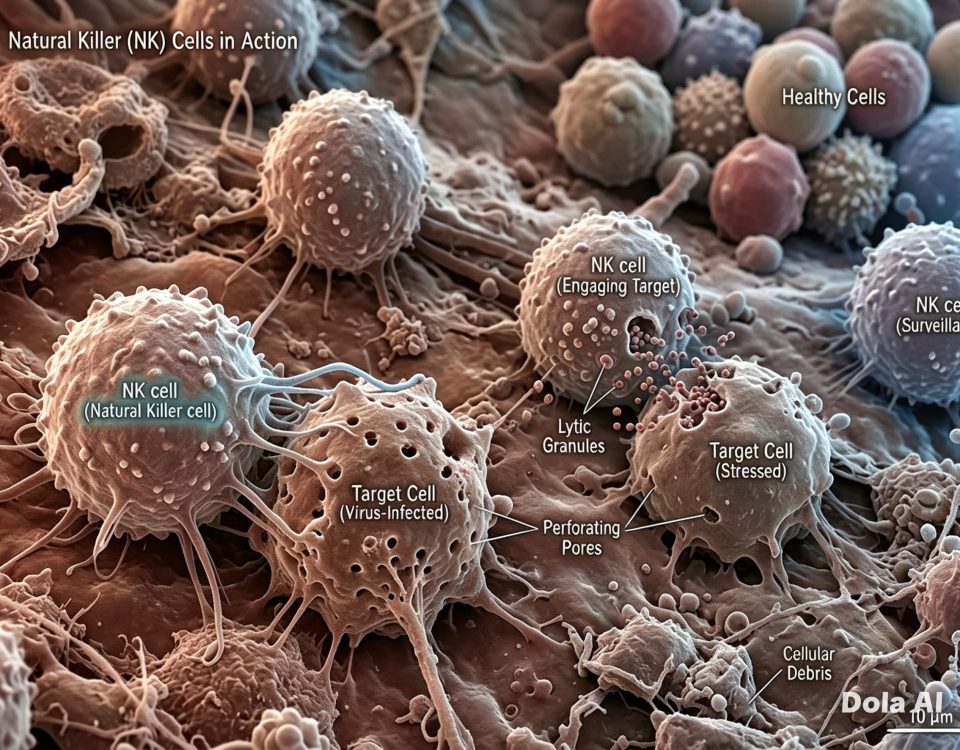
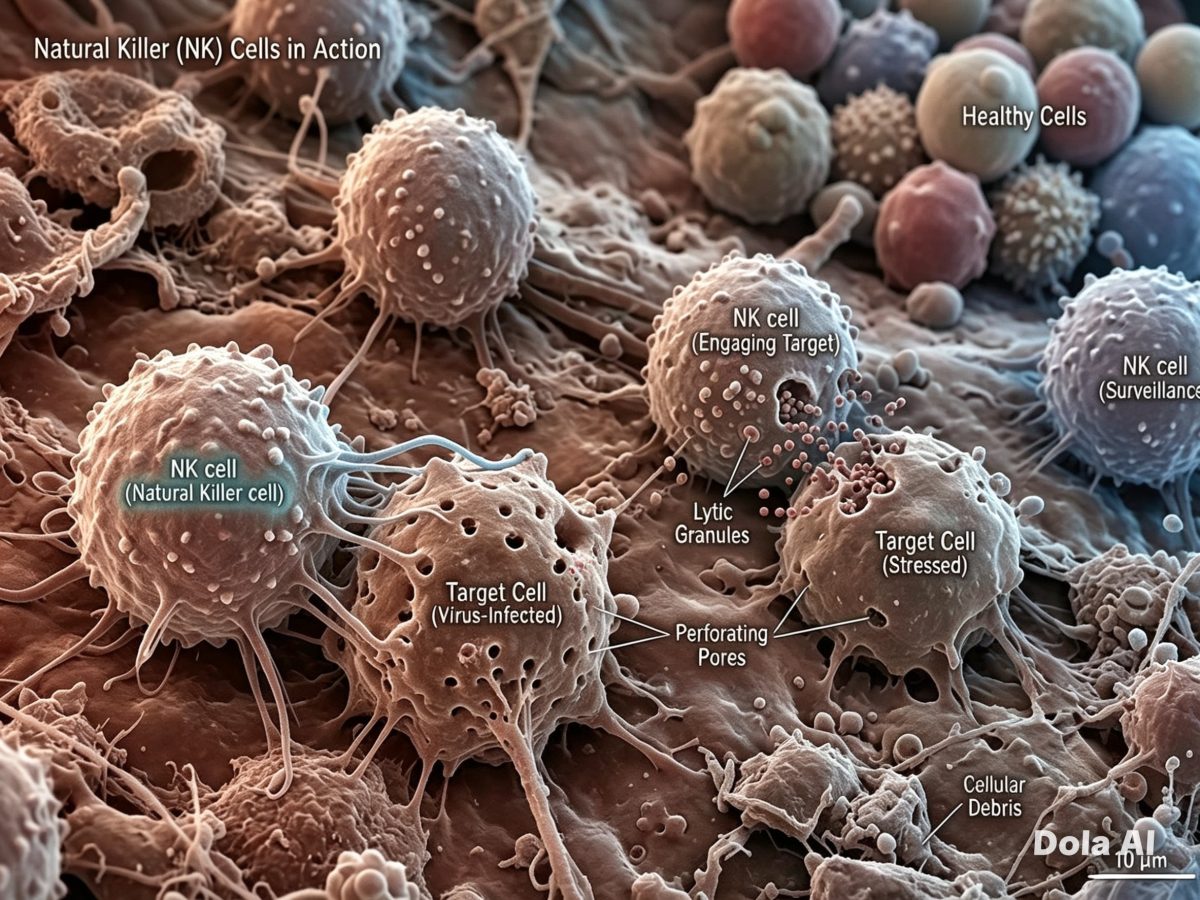
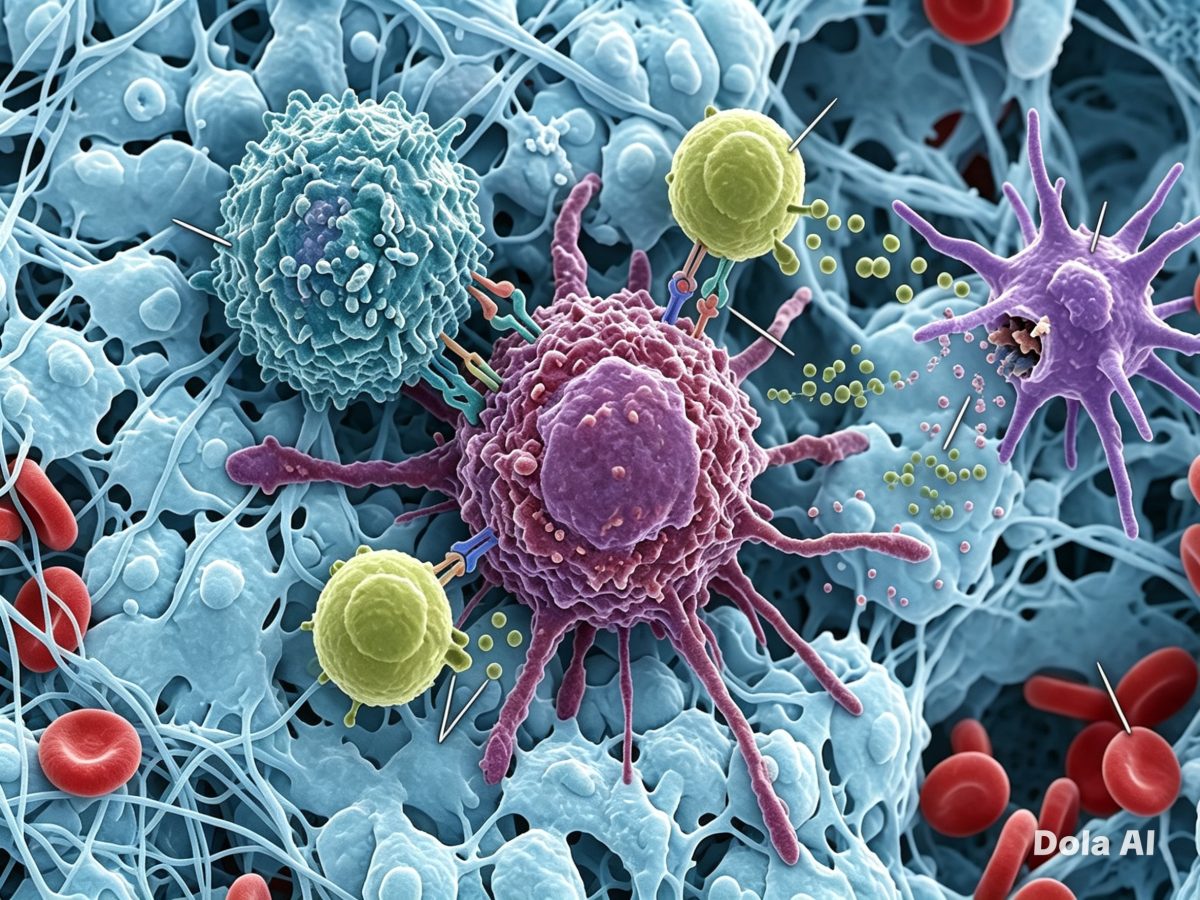
In 2020, Bali Pulendran's team at Stanford University published a study in Science regarding immune responses after COVID-19 infection, systematically analyzing why some people developed mild symptoms while others progressed to severe illness. They found that the mild symptom group demonstrated a faster, more coordinated innate immune response in the early stages of infection—the rapid activation of NK cells and dendritic cells began suppressing the virus before it could replicate in large quantities. In contrast, the early response of the severe group was sluggish and chaotic; by the time adaptive immunity finally kicked in, the virus had already replicated massively, and inflammation had spun out of control.
The most critical difference between the two groups was not how good their genetics were, but how good the baseline state of their immune system was—those "never getting sick" traits can be described, measured, and partially replicated.
2. Genetic Foundation and Immune Memory Pool: One is Innate, the Other Can Be Accumulated
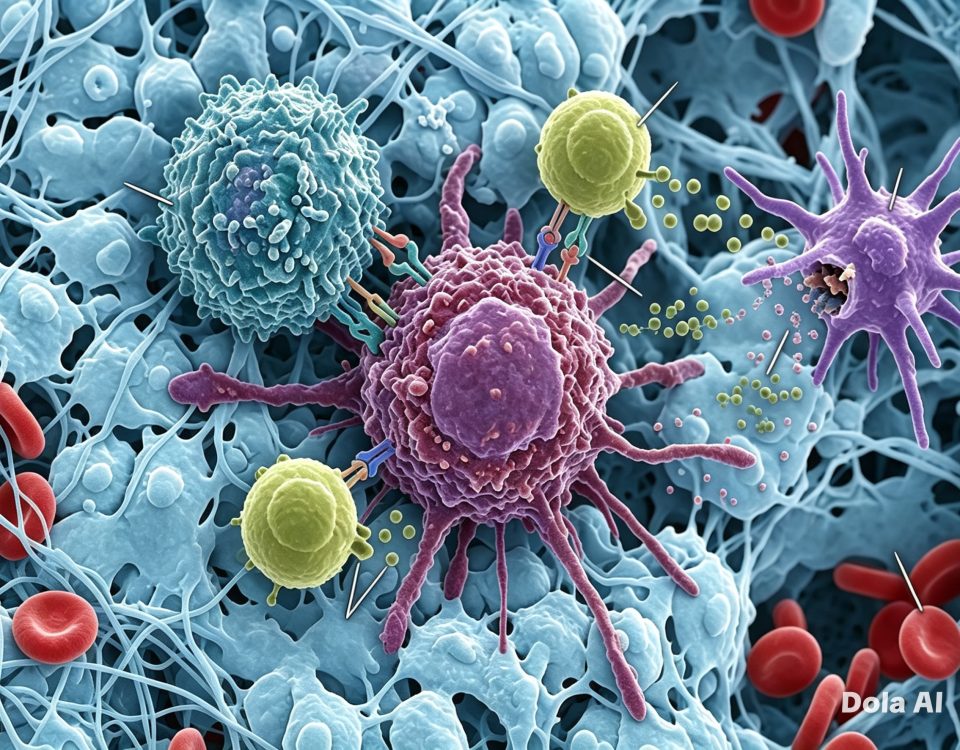
People with high immune resilience usually have a higher diversity of HLA (Human Leukocyte Antigen) gene combinations. HLA genes determine the breadth of antigen types your T cells can recognize—much like a database of wanted posters detailing how many faces of criminals are recorded. The higher the diversity, the more pathogen characteristics your immune system can recognize, the higher the probability that it happens to recognize a new threat, and the faster the initial response.
This part is indeed innate and currently cannot be artificially altered. However, it is only one of the four factors, and it is the one with the relatively smallest impact. A person with high HLA diversity who suffers from chronic sleep deprivation and high stress may have far worse immune function than a person with average HLA diversity who maintains an excellent lifestyle. Genetics deals you your hand; how you play the cards matters much more.
Equally important to the genetic foundation, yet completely accumulable, is the immune memory pool.
Every infection and every vaccination leaves behind a batch of memory cells in your immune system—memory T cells and memory B cells that can survive for decades. The next time the same pathogen or a similar variant attacks, they can organize a powerful, targeted strike within 1 to 3 days, leaving you feeling almost no symptoms.
That person who never gets sick might very well be the person who has seen the most pathogens—it's just that his immune system won every single time, and accumulated a batch of veteran soldiers with each victory. He recovers from a cold in two days now because his immune system is so familiar with this type of virus that it gets wiped out by a wave of precise clearance just as it begins to replicate.
This also explains why vaccination is so crucial: it allows you to build immune memory and expand your memory pool without paying the price of getting sick. After the age of 40, the ability to build new memories declines, so you rely more and more on your existing memory pool—making the infection experiences and vaccinations accumulated during youth even more precious. If you haven't actively gotten vaccinated yet, starting now is never too late.
3. Low Inflammation Baseline: The Most Controllable Core Secret
This is perhaps the most important, least discussed, yet most actively manageable characteristic of people with high immune resilience: their baseline of chronic inflammation is extremely low.
What is an inflammation baseline? It is the daily level of pro-inflammatory cytokines and inflammatory markers in your blood in the absence of acute infection or injury. An hs-CRP (high-sensitivity C-reactive protein) level below 1 mg/L is generally considered a low inflammation state; between 1 and 3 indicates moderate risk; and above 3 (excluding acute infection) indicates high inflammation.
Research shows that among centenarians, even at an extreme age, hs-CRP levels universally remain low. This is not just an observed correlation; there is a causal logic behind it: a low inflammation baseline means the immune system spends most of its time in a state of precise standby—ready to deploy at any moment, but not wastefully consuming resources to deal with false alarms.
When a real threat arrives, people with a low inflammation baseline can respond immediately, precisely, and with full force, and then wrap things up cleanly without leaving excessive inflammatory damage. People with a high inflammation baseline are different: their immune systems are already in a state of exhaustion from long-term chronic activation. Faced with a real infection, their response is instead slow and inefficient, and prone to overreaction—because the system has already depleted a portion of its resources in the background noise.
This is why some people have good constitutions while others have poor ones. Behind it, it is often not a difference in combat capability, but a difference in the state of the battlefield—a precisely standing-by system versus a chronically fatigued system can yield starkly different results.
The good news is that the inflammation baseline is the most controllable of the four elements. The four factors that influence it the most are: abdominal visceral fat mass (reduction is the most direct and effective), sleep quality (the key to resetting cortisol every night), exercise habits (the continuous anti-inflammatory effect of myokines), and dietary patterns (particularly reducing refined sugars and ultra-processed foods). All four of these things can be changed.
A 2022 study from Stanford University also confirmed an extra bonus effect: after receiving a vaccine, individuals with a low inflammation baseline produced significantly higher levels of protective antibodies than those with a high inflammation baseline. The same vaccine, the same dose, yet a low-inflammation immune system responds to the vaccine more precisely and strongly—meaning that lowering your inflammation baseline doesn't just make you get sick less; it also makes every vaccination you receive more worthwhile.
4. Lifestyle: Allowing the First Three Factors to Achieve Maximum Efficacy
Understanding the first three factors might make you feel: if my genetics aren't good enough and my immune memory isn't rich enough, am I beyond saving?
No. Lifestyle is the fourth factor, and it is the one with the widest range of effect transmission—it simultaneously influences how well the first three factors perform, and no one is excluded from the impact of lifestyle.
High-quality sleep allows immune cells to be fully repaired and replenished every night, solidifies memory cells, and resets inflammatory markers.
Regular, moderate-intensity exercise directly enhances the function of NK cells and T cells, lowers chronic inflammation, trains the stress resilience of innate immunity, and improves sleep quality, creating a positive feedback loop.
A diverse diet maintains the diversity of the gut microbiota, which is the foundation of immune precision. Consuming over 30 different plant-based foods per week is currently the dietary goal for gut immune protection with the strongest research support.
Effective stress management prevents the chronic depletion of cortisol, protects T cell and NK cell functions, and slows down immune aging.
The lifestyles of people with high immune resilience share a few things in common, but they are not a set of rigid rules; rather, they represent an overall state: it's not about never drinking alcohol, but rather not overindulging long-term; it's not about taking cold showers every day, but exercising regularly; it's not about strict vegetarianism, but dietary diversity.
The truly exciting fact is this: even if your genetic foundation isn't the best, and even if your immune memory pool wasn't richly accumulated in your youth, by continuously lowering your chronic inflammation baseline (which can be changed), actively getting vaccinated (the memory pool can continue to expand), and adhering to a supportive lifestyle, you can absolutely build a state of true high immune resilience after the age of 40.
This is not a promise that you will never get sick, but a promise that the frequency of your illnesses will drop, your recovery speed will quicken, and when facing severe threats, your defensive line will be stronger, more precise, and better able to hold out until the end.
5. A Measurement You Can Do Right Now
After discussing so much theory, the most practical first step is to measure your own inflammation baseline.
Book a routine blood test and request to add hs-CRP (high-sensitivity C-reactive protein). This test is very common in most hospitals and physical examination centers, usually costing between tens to a hundred yuan, requiring no fasting or special preparation.
Once you get the results:
Below 1 mg/L: Your inflammation baseline is in an excellent state; maintain your current lifestyle.
Between 1 and 3 mg/L: You need to seriously examine your sleep, exercise, diet, and stress management to identify the biggest gaps and prioritize improvements.
Above 3 mg/L (excluding acute infections within the past two weeks): Your chronic inflammation is at a high-risk level; it is recommended to discuss potential causes and intervention plans with a doctor.
This number is currently the most practical, direct, single indicator that can tell you "what state my immune system is in right now." It cannot tell you everything, but it can tell you the most important thing: whether your immune system is in a state of precise standby, or is being slowly depleted by chronic inflammation.
Only by knowing where you are can you decide where you want to go.
Key Takeaways
1. The four factors of high immune resilience: Genetic foundation (25%, innate), immune memory pool (can be accumulated through infection experiences and vaccines), low inflammation baseline (can be improved through lifestyle), and supportive lifestyle (can be actively chosen).
2. The richer the immune memory pool, the faster and stronger the response next time the same threat is encountered. That person who never gets sick might just have an ultra-rich memory pool, wiping out a cold right as it starts, long before it develops to a noticeable degree.
3. A low inflammation baseline is the most controllable feature of high immune resilience—a low-inflammation immune system is not only healthier day-to-day, but also responds better to vaccines. Lowering your inflammation baseline makes every vaccine dose count more.
4. 150 minutes of moderate-intensity exercise per week is currently the single immune-optimization intervention with the strongest evidence, simultaneously improving inflammation, NK cell activity, sleep quality, and stress resilience.
5. A practical first step: Go measure your hs-CRP (high-sensitivity C-reactive protein). Below 1 mg/L indicates low risk; this number tells you whether your immune system is standing by precisely or suffering from chronic depletion.
FAQ | Questions You're Most Likely to Ask
Core Sources Cited
- Arunachalam PS et al. (2020). Systems biological assessment of immunity. Science, 369(6508), 1210-1220. https://doi.org/10.1126/science.abc6261
- Sansoni P et al. (2008). The immune system in extremely longevous humans. Experimental Gerontology, 43(2), 61-65. https://doi.org/10.1016/j.exger.2007.06.008
- Turner JE et al. (2022). Exercise immunology: Future directions. Journal of Sport and Health Science, 11(4), 466-470. https://doi.org/10.1016/j.jshs.2022.04.004
- Sonnenburg JL & Sonnenburg ED. (2019). Vulnerability of the industrialized microbiota. Science, 366(6464), eaaw9255. https://doi.org/10.1126/science.aaw9255